

Why Marketing Is So Hard for Event Professionals (And How to Fix It)
Updated Sept. 2, 2026
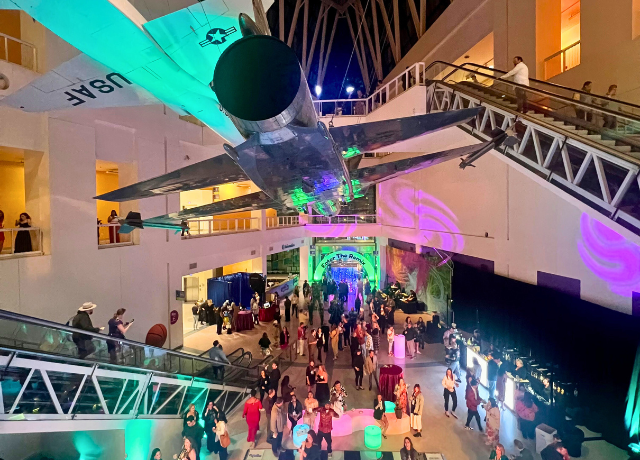
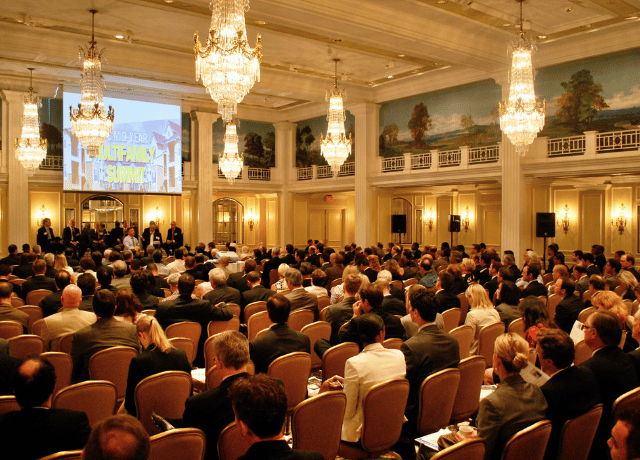
Last week I headed to Los Angeles for the Cater+Event Conference, formerly Catersource/The Special Event, where sessions covered everything from emotional intelligence and venue sales to pricing strategy and leadership.
But across all those topics, one theme kept surfacing that further solidified why DCM focuses on serving the event industry:
Event professionals are exceptional at delivering service, yet many struggle to clearly demonstrate and communicate the value of that service in their marketing and sales approach.
That disconnect extends from your website, email marketing and social media content to the way you communicate your value when you’re actually in the room or on the phone with a prospective client.
That gap can show up in a few familiar ways:
➞ Pricing conversations feel uncomfortable
➞ Clients consistently push back on proposals
➞ Marketing brings in inquiries but they end up not being a good fit
➞ Sales feel scattered or overly dependent on referrals
The good news is:
1) that many of the insights shared during the conference outlined clear ways you can rectify that disconnect and
2) you’re lucky enough to know someone who can assist 💁🏻♀️
Here are four ways event professionals can begin closing the gap between the value they deliver and the way they market and sell it.
1. How Event Professionals Can Position Themselves As Experts
You have to be the one to lead clients toward the solution that best serves their goals instead of allowing every request, assumption or budget concern they bring up to dictate your recommendations.
One of the most direct reminders came from Brian Green of byBrianGreen, who challenged event professionals to rethink their role in the client relationship.
“You should be the pro in the room, not the client.”
That may elicit a “Really, Channing?” when read in this moment, but far too often the desire to close the deal can have even the most seasoned event pros flipping from strategic advisor into order taker.
This ends up looking like:
➞ letting clients dictate choices based on unrealistic budgets
➞ presenting endless options based on their requests instead of recommendations
➞ assuming what someone can or cannot afford before presenting an idea
As Green so effectively put it:
“You are not your client. Stop deciding what they can afford before you do.”
When clients hire you as an event professional, they are hiring you for the very expertise you have that they do not.
Your job is not to present every possible option they “think” they want, but rather ask enough questions about their goals that you can lead them toward the solution (event format, design style, production elements, catering setup, etc) they actually need.
2. Sell the Outcome of the Event, Not the Menu of Services
For most event businesses, two or three clearly structured packages make it easier for prospective clients to understand their options and choose what’s right for them.
The importance of simplifying choices for buyers was another recurring theme that I could not snap my fingers for enough.
Alan Berg of Wedding Business Solutions pointed out that many event businesses unintentionally overwhelm prospects with too many options. You may think they want to see all they could choose from, but the reality is that leads to analysis paralysis.
Creating two or three packages for them to choose between has proven to outperform à la carte menus because they offer structured, clear solutions that make decisions easier.
“People want the perception of choice without the burden of too many choices.”
As for how to make those packages? Your own sales history is one of the best indicators of what people truly value. Pull together what people are already naturally buying together and brand it with a package name that’s clear to understand.
3. Understand How Confidence Affects Your Pricing Strategy
Confidence affects whether you communicate and charge for the full value of your work… or are left feeling underpaid and resentful when the value you provide doesn’t match what you’re being paid.
When you lower a price before the client has even responded or avoid presenting your strongest recommendation, you make the financial decision for them and risk undercharging for the experience you still plan to deliver.
Not charging the true value of our work is a common theme among all entrepreneurs. Heaven knows I have fallen into “It’s worth X but will they really pay that? Maybe I’m overestimating what I’m worth. I’ll lower it and then be sure to get the deal,” thinking.
The problem if you are anything like me though is that you end up doing the work at the FULL value quality (because..naturally), the client loves it, and you end up not getting paid for what you actually provided.
Worst feeling EVER.
If you look back at that scenario, you’ll realize: it’s not that we didn’t know the value we should charge up front. We simply didn’t have the confidence to STAND in that value and send off the proposal anyway.
Legendary event designer Preston Bailey once said:
“If you’re not nervous sending the proposal, you didn’t charge enough.”
The underlying issue is not just pricing strategy, but confidence.
Many event professionals hesitate to present higher-value proposals because they are trying to protect the client’s budget before the client has even weighed in.
This is where Brian Green dropped another reminder that needs to be stitched on a pillow:
“I am responsible for tracking your budget. I am not responsible for your finances.”
Your role is to design the best possible solution. The client’s role is to decide whether that solution fits their priorities and budget.
When you begin sending proposals from that perspective, pricing conversations become much easier and more profitable for the value you actually provide a client.
4. How Event Professionals Need To Market Their Services
Event professionals need to use their marketing to showcase the experience and outcome their services create, not just the individual features or logistics they provide. Stories, client reactions, testimonials and behind-the-scenes content all help prospects understand what it’s actually like to work with you.
One of the most practical sales insights came from a session by sales leader Margaret Brower of Rainmaker Sales & Marketing who emphasized storytelling.
Brower specializes in working with venues and mentioned that during tours, many sales people focus on describing physical features that prospects can already see: the color of the walls, the ceiling height, or the architectural details.
But the moments that actually influence decisions are the emotional ones.
→ When on the tour do they take a sharp intake of breath in that “Ah!” moment?
→ When do they literally stop in their tracks and look dreamy eyed?
Those are the spots that reveal what a client really cares about.
Instead of simply describing the space itself, use those moments to tell the story of the experiences that have happened in those spots during past events.
Because ultimately, selling is storytelling.
And the same principle applies to marketing your event services. Clients are rarely buying logistics alone. They are buying the outcome: the atmosphere, the connection, the celebration, the momentum, the peace of mind…the list goes on.
When your marketing only focuses on the “We can do X Y Z” it misses the emotional connection created by “You can experience …..” and “Your guests will walk away feeling….”
Beautiful pictures on Instagram are wonderful as a portfolio, but that’s only part of the equation.
Behind-the-scenes video of you making it happen, video of guests experiencing the event, direct-to-camera explanations of what it took and client testimonials are the pieces that turn a pretty event into effective lead generation.
Why Great Service Isn’t Enough To Market An Event Business
Great service can generate referrals, but it doesn’t automatically help a prospective client understand your value.
Your brand positioning & messaging needs to help potential clients understand:
➞ what you do differently
➞ why your expertise matters
➞ what results they can expect when they hire you
When receiving an award for lifetime achievement, Meryl Snow of Feastivities Events said, “This industry is built on people who choose service over spotlight.”
Who can identify with that? 🙋🏻♀️ You have actively chosen to stand in the wings, serving as orchestra leader while the spotlight is given to the experience you created.
The ability to run everything behind-the-scenes so effectively that everything is seamless to attendees is what makes you so good at your job.
Unfortunately, this approach is also your biggest challenge when great service is relied upon alone to serve as your marketing & sales strategy. Great work does not automatically communicate its value. That is on YOU (or your marketing & PR team) to convey.
If you know the value is there but are struggling to communicate it consistently, or simply do not have time to keep handling the marketing yourself, it may be time to consider what kind of outside marketing help you actually need. That could mean strategic consulting, support with specific parts of your marketing or a team that can take the work off your plate.
It has to be translated into positioning that helps potential clients understand:
➞ what you do differently
➞ why your expertise matters
➞ and what results they can expect when they hire you
When that communication is clear, marketing becomes easier, sales conversations become more confident, and the right clients are far more likely to recognize the value you bring.
And that’s ultimately the goal of every client relationship we have:
Aligning the incredible service event professionals deliver with marketing that communicates that value just as effectively.

Event Sponsorship Lessons from the Boston Marathon Medal Controversy
Learn how to choose the right post, audience, and budget for boosting a Facebook
Don’t Make These 4 Mistakes with Your Event Marketing
Selling tickets to your conferences & trade shows can be stressful. Don't make it

Are AI & ChatGPT Assets or Liabilities to Event Professionals?
There's a lot of talk about AI and ChatGPT right now. Is it going